Saros Machines / AI Process Analysis
No automation engineer needed on site. Your operators wear a lightweight camera during normal shifts, and our AI analyzes the footage to find SOP bottlenecks and the upgrades that pay back first.
AI-analyzed real shifts
- CNC machine loading and unloading
- Deburring and finishing
- Part measurement and inspection
- Component insertion and screw fastening
- Visual inspection of boards
- Test station handling
- Sub-assembly and fastening
- Machine tending
- Dimensional and surface inspection
- Injection molding part removal
- Trimming and degating
- Sorting and packing molded parts
- Case packing and palletizing
- Label and barcode verification
- Internal material transport
- Sorting and grading
- Tray loading and packing
- Foreign material inspection
- Precision measurement and recording
- Clean handling of delicate parts
- Small-part assembly
A different approach
An automation engineer on every station, worn by the people who do the work.
No engineer standing by the line. Your operators wear a lightweight camera; AI does the analysis.
01Observation
A few days on site
Every shift, recorded as work happens
02Measurement
Stopwatch samples of a few cycles
Every cycle, timed step by step by AI
03Coverage
One line at a time
Many stations and lines in parallel
04Consistency
Depends on who is watching
The same method on every station
The traditional way
An engineer beside the line
The Saros way
Your operators, with AI analysis
- 01Observation
- A few days on site
- Every shift, recorded as work happens
- 02Measurement
- Stopwatch samples of a few cycles
- Every cycle, timed step by step by AI
- 03Coverage
- One line at a time
- Many stations and lines in parallel
- 04Consistency
- Depends on who is watching
- The same method on every station
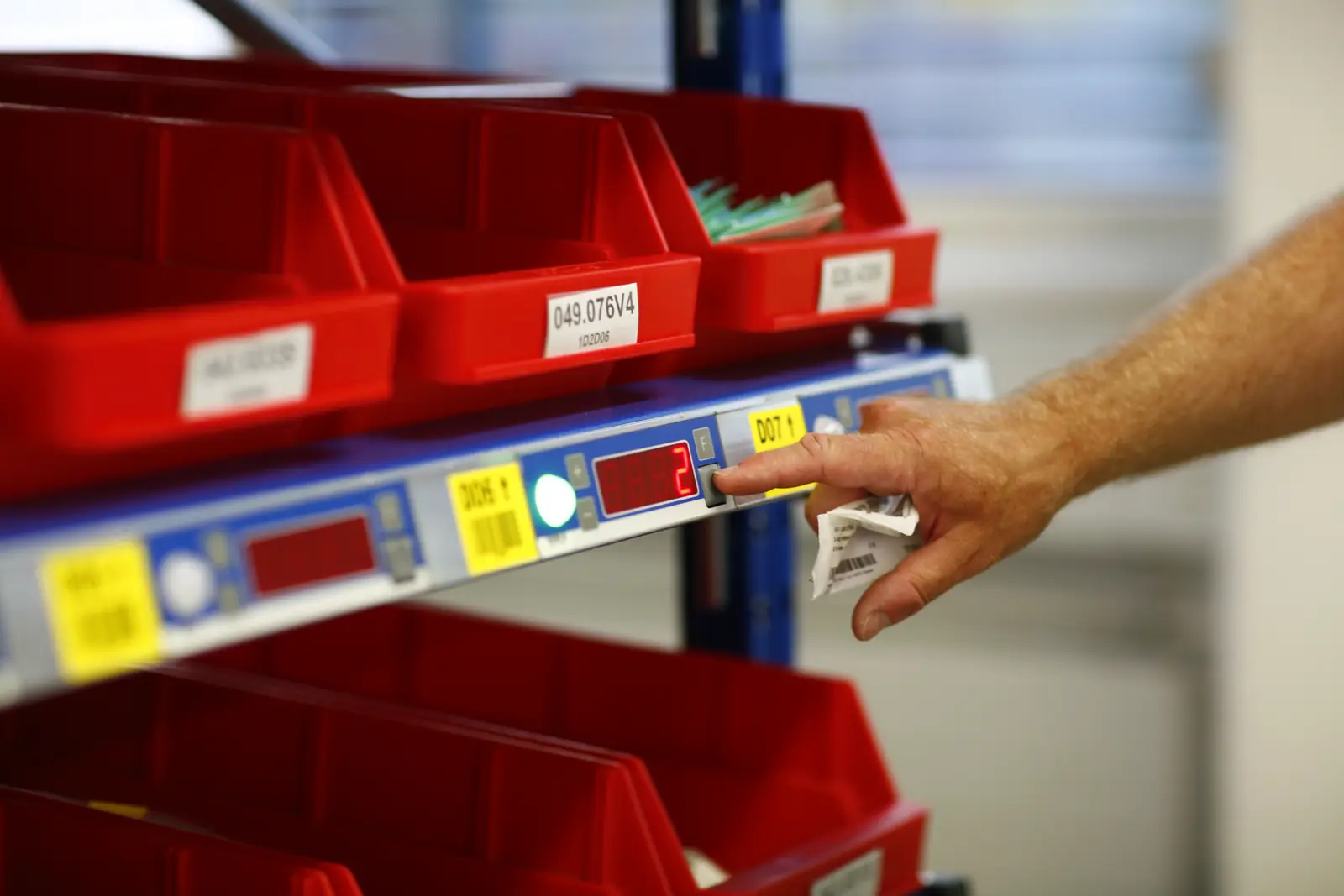
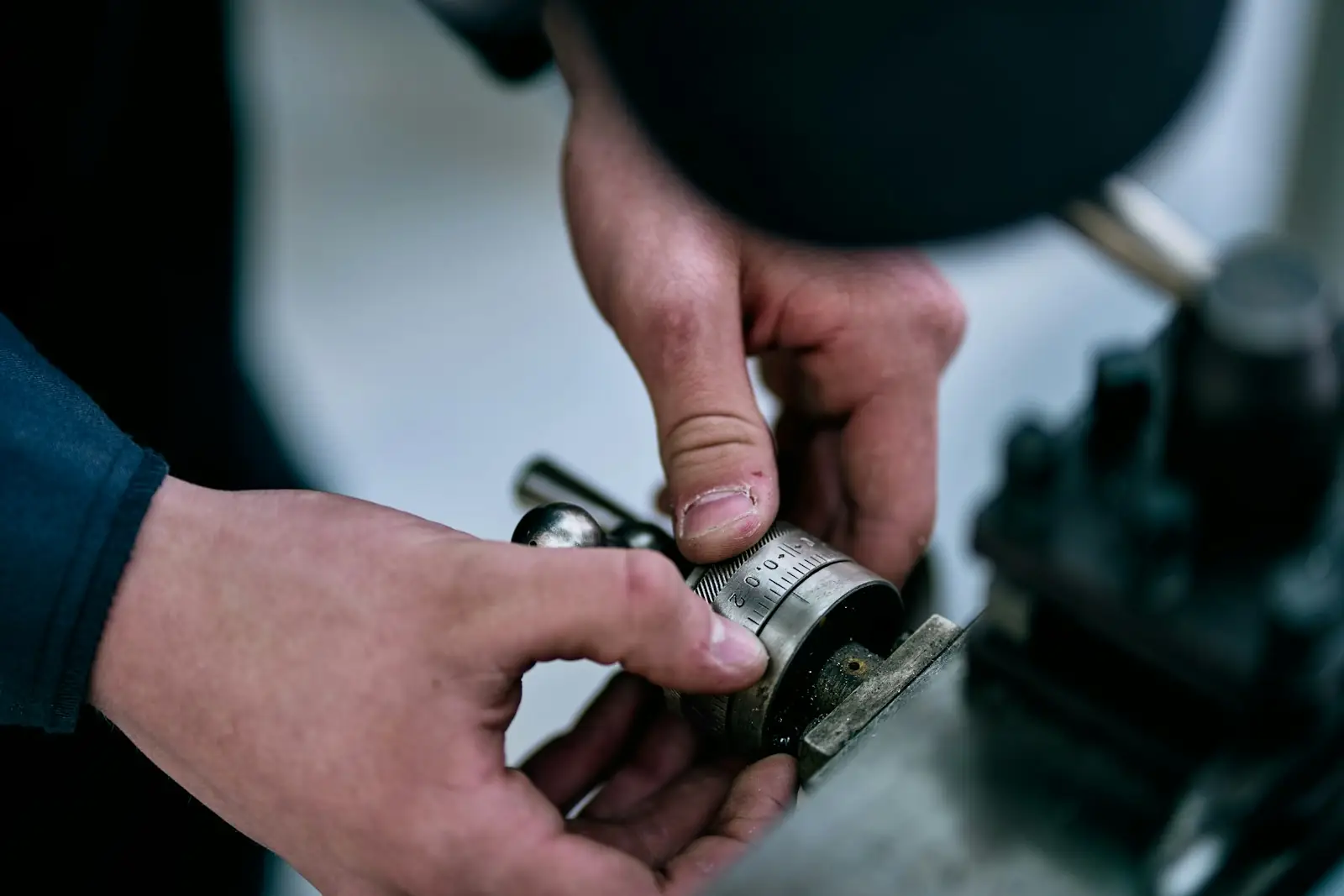
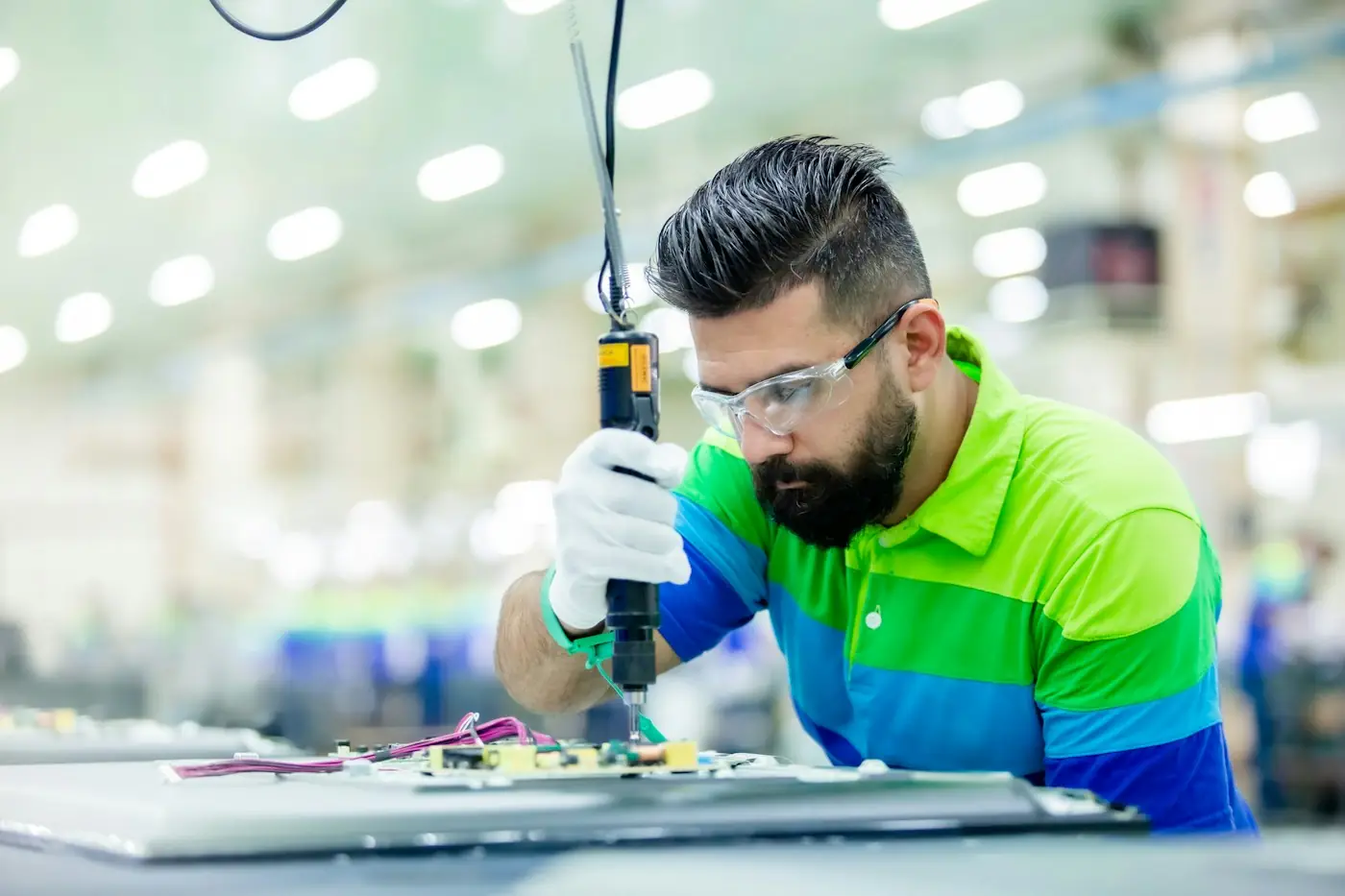
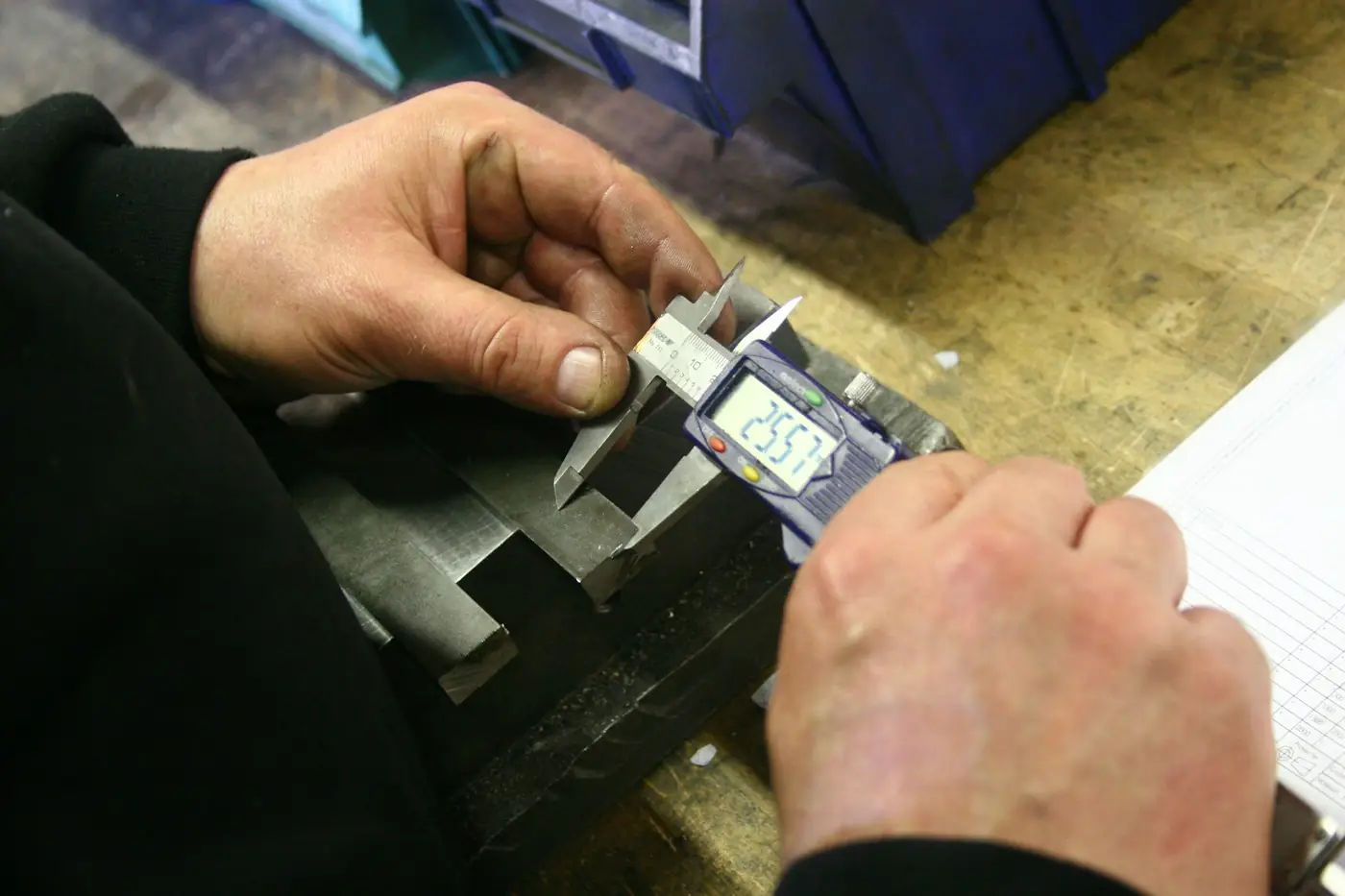
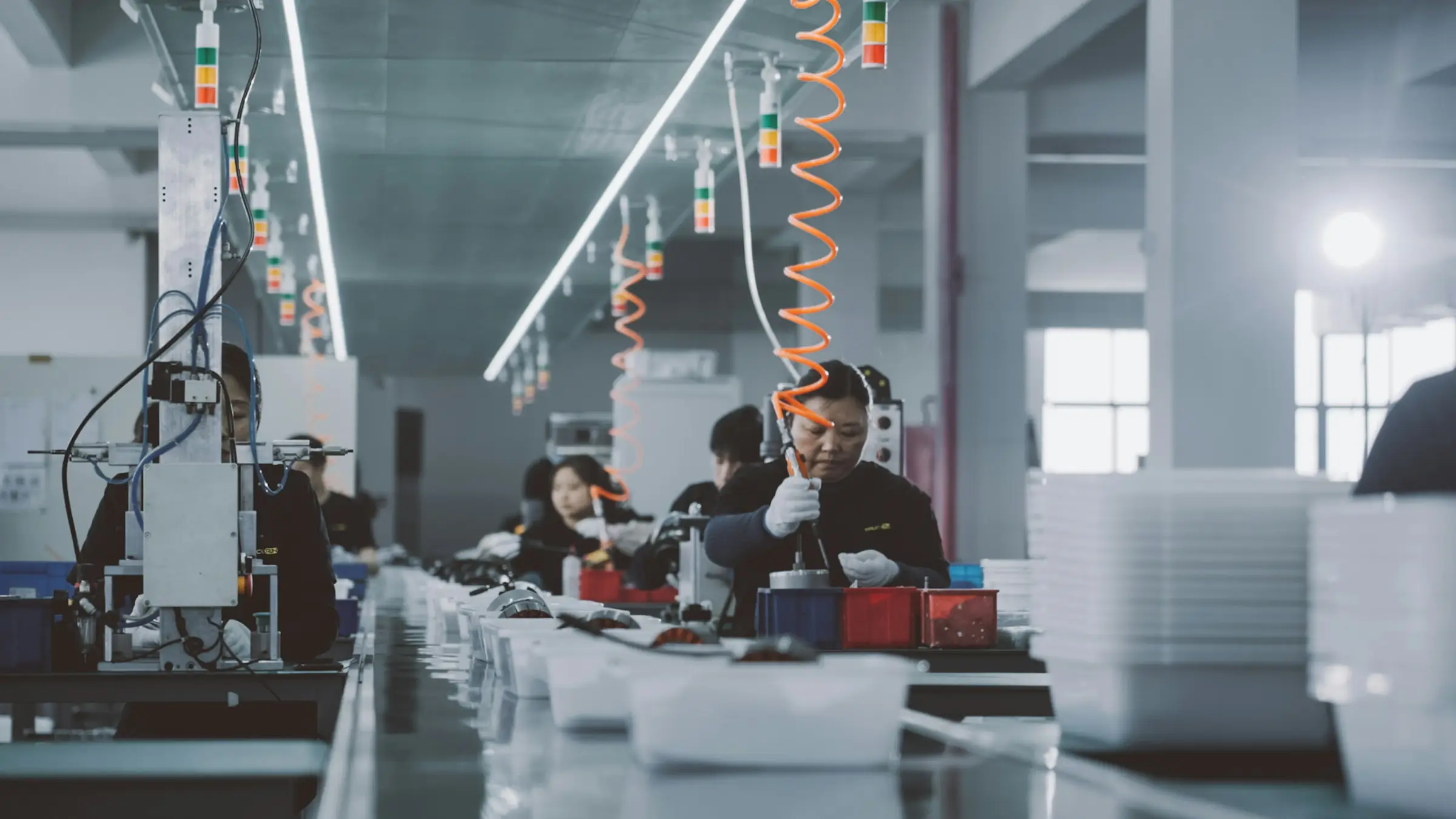
Nothing about the work changes. Operators do their job as usual; the camera records what they see and do.
What our AI sees
Every cycle measured. Every step understood.
Hours of first-person footage become five outputs we review with you.
- 01PickPositionFastenInspect
Step segmentation
Output · Timestamped actions
- 02
Cycle timing
Output · Time per step
- 031243
SOP deviation
Output · Deviation flags
- 04
Bottlenecks and variation
Output · Constraint map
- 05123
Automation fit
Output · Ranked opportunities
Findings are reviewed with your team before any recommendation is made.
Partner with Saros
Become a Saros partner factory.
You choose the stations. Your operators wear our cameras. We turn the footage into answers.
What partner factories receive
SOP bottleneck analysis
Workflows ranked by return
Compensation for participation
Priority access to pilots
How a partnership runs
01 / 04
- 01
Choose stations
We agree which lines, stations, and tasks to record.
- 02
Record real shifts
Operators wear a lightweight head-mounted camera while they work.
- 03
AI analysis
Our AI splits every cycle into timed steps, flags SOP deviations, and finds the bottlenecks.
- 04
Review together
We walk through the findings and the highest-return opportunities.
Scope, schedule, and terms are agreed in writing before anything is recorded.
How it worksBecome a partner factoryA report you can read in five minutes.
Every partner factory receives a short written report. Below are two pages from a sample.
Station 3: summary
- Average cycle time
- 62 s
- Spent on fastening
- 29 s
- Cycles analyzed
- 1,240
Summary
Fastening takes almost half of every cycle. It is the clearest candidate for automation at this station, and a screwdriving robot could take it over.
Average time per step
seconds
| Pick | 9 | 15% |
| Position | 12 | 19% |
| Fasten | 29 | 47% |
| Inspect | 12 | 19% |
Findings and recommendations
Findings
- 1.Fastening is the slowest step: 29 of 62 seconds.
- 2.Night-shift cycles run up to 40% longer.
- 3.Inspection was skipped in about 1 in 10 cycles.
Recommendations
| Recommendation | Effort | Impact |
|---|---|---|
| 1.Automated screwdriving at station 3 | Medium | High |
| 2.Camera check after fastening | Low | Medium |
| 3.Better parts tray layout | Low | Low |
Next step
Two-week pilot with a screwdriving robot on station 3, measured against this report.
Sample report. Factory and figures are fictional.
Request a report for your factoryFor manufacturers in Taiwan
Start from the equipment and people you already have.
- 01
Labor costs and hiring
- 02
Start with existing lines
- 03
Avoid unnecessary capital spend
- 04
Grounded in manufacturing practice
- 05
Funding programs, where applicable
Industries
Built for the work that powers the world.
Every industry has its own constraints. These are the operations where we most often start the conversation.
Common in Taiwan
Electronics Assembly
Component insertion and screw fastening · Visual inspection of boards · Test station handling
Common in Taiwan
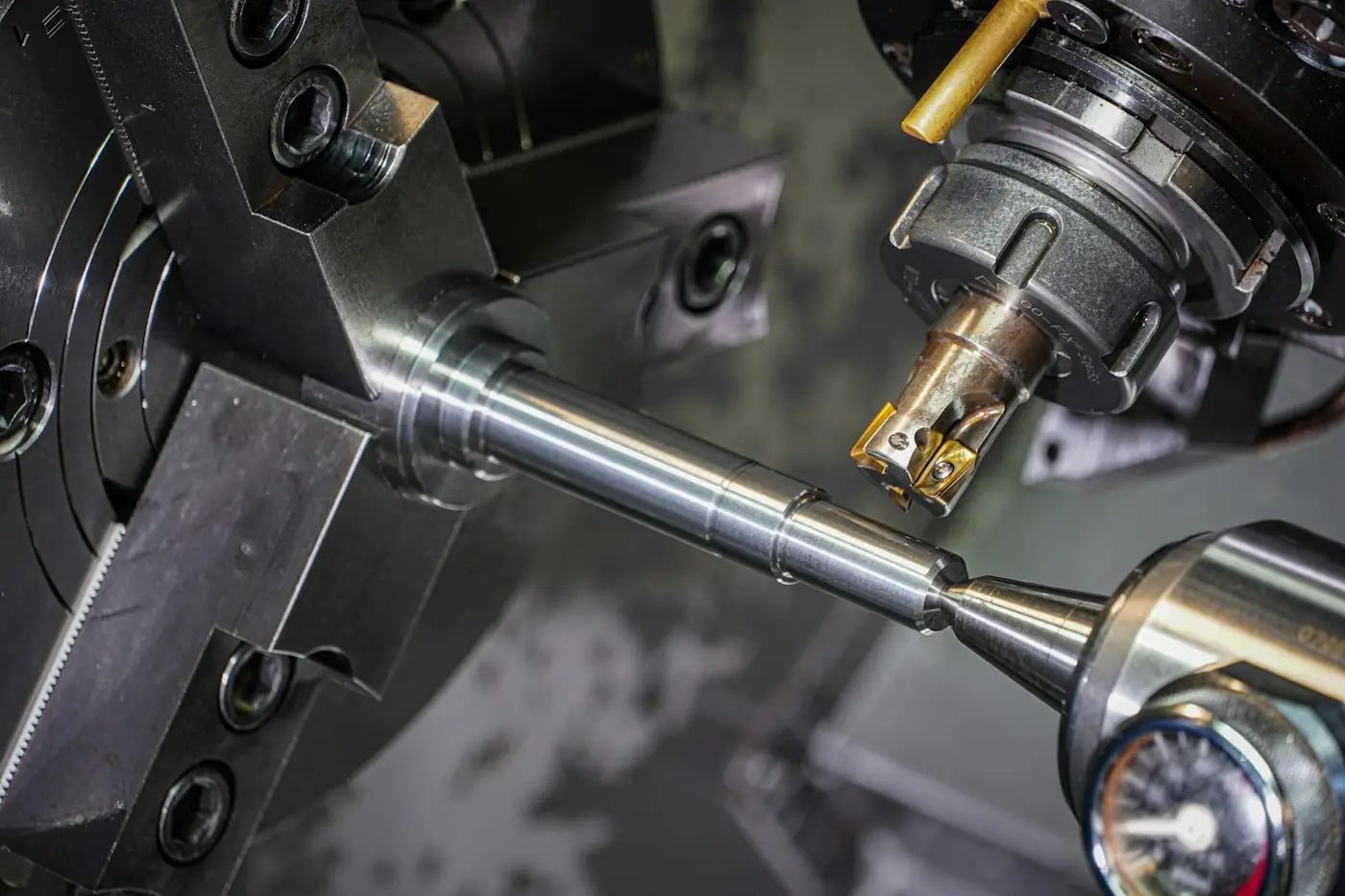
Metalworking and Machining
CNC machine loading and unloading · Deburring and finishing · Part measurement and inspection
Common in Taiwan
Precision Manufacturing
Precision measurement and recording · Clean handling of delicate parts · Small-part assembly
Common in Taiwan
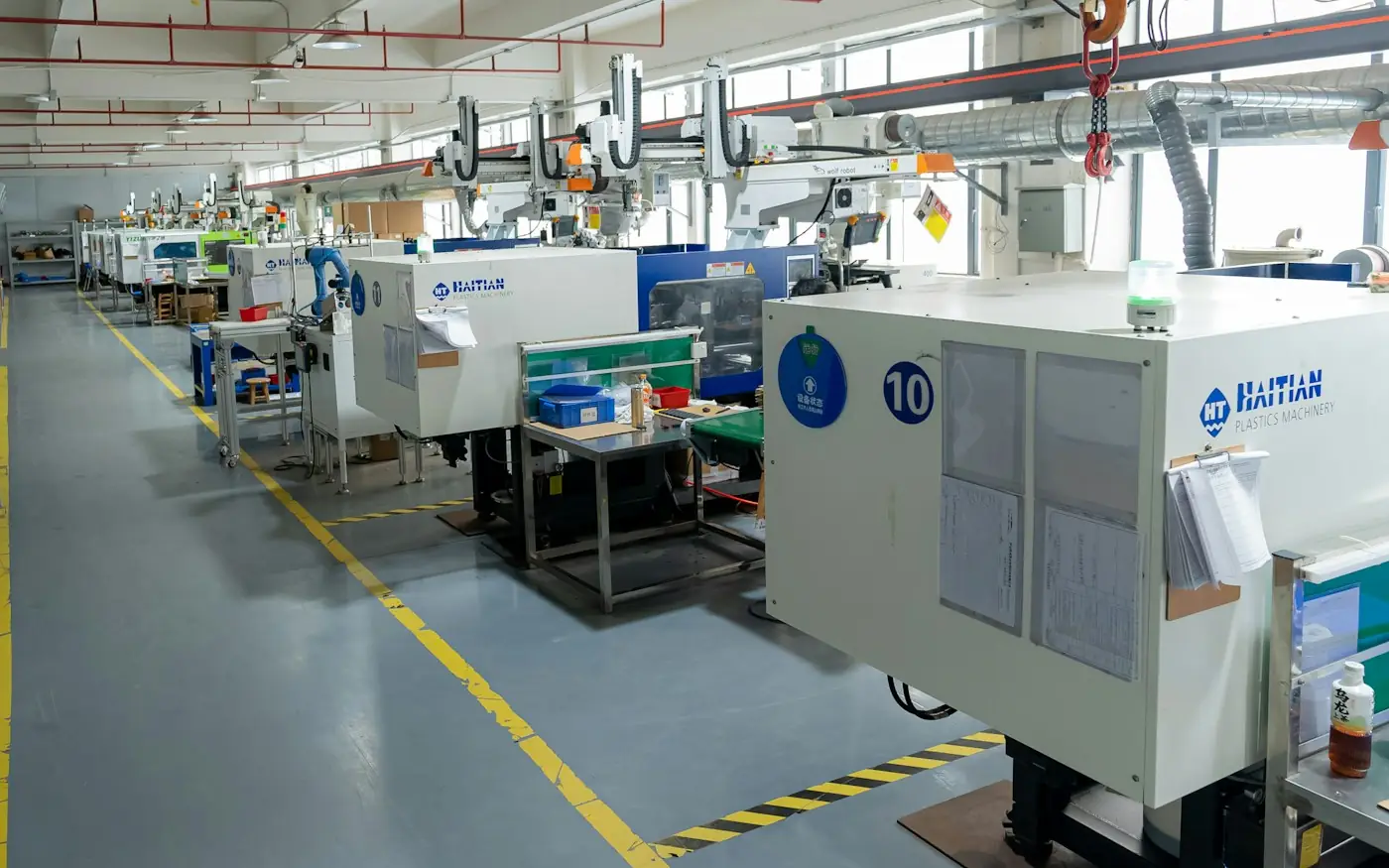
Plastics and Industrial Materials
Injection molding part removal · Trimming and degating · Sorting and packing molded parts
- Automotive ComponentsSub-assembly and fastening · Machine tending · Dimensional and surface inspection
- Packaging and LogisticsCase packing and palletizing · Label and barcode verification · Internal material transport
- Food ProcessingSorting and grading · Tray loading and packing · Foreign material inspection
Opportunity Explorer
Not sure where to begin?
Answer five short questions about one operation in your factory. You'll get an exploratory summary of automation approaches worth investigating — no sign-up required.
Start the explorerFactory assessment
Find out what your factory could automate.
Tell us about your operations, and we'll help explore where intelligent automation might make sense.
Our team will review your request and reply by email. We work on Taiwan time (GMT+8) and can meet in Mandarin or English.
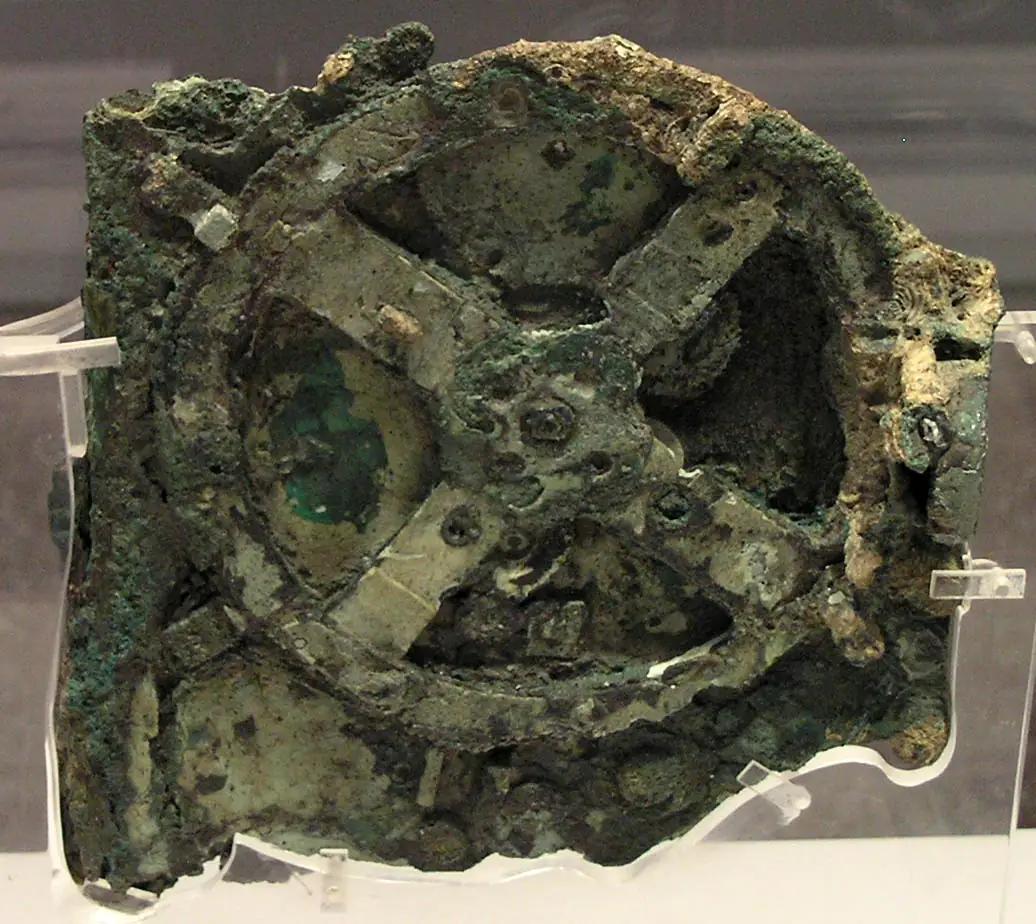
About the name
Named for the world's first mechanical predictions.
Over two thousand years ago, the Antikythera mechanism used astronomical cycles to turn observations of the physical world into predictions encoded in machinery.
One of those cycles was the Saros.
Today, Saros Machines carries that idea into a new era. We believe real-world observations can help machines learn to understand and eventually act in the physical world.
The principle remains the same: intelligence begins with understanding reality.
Read our story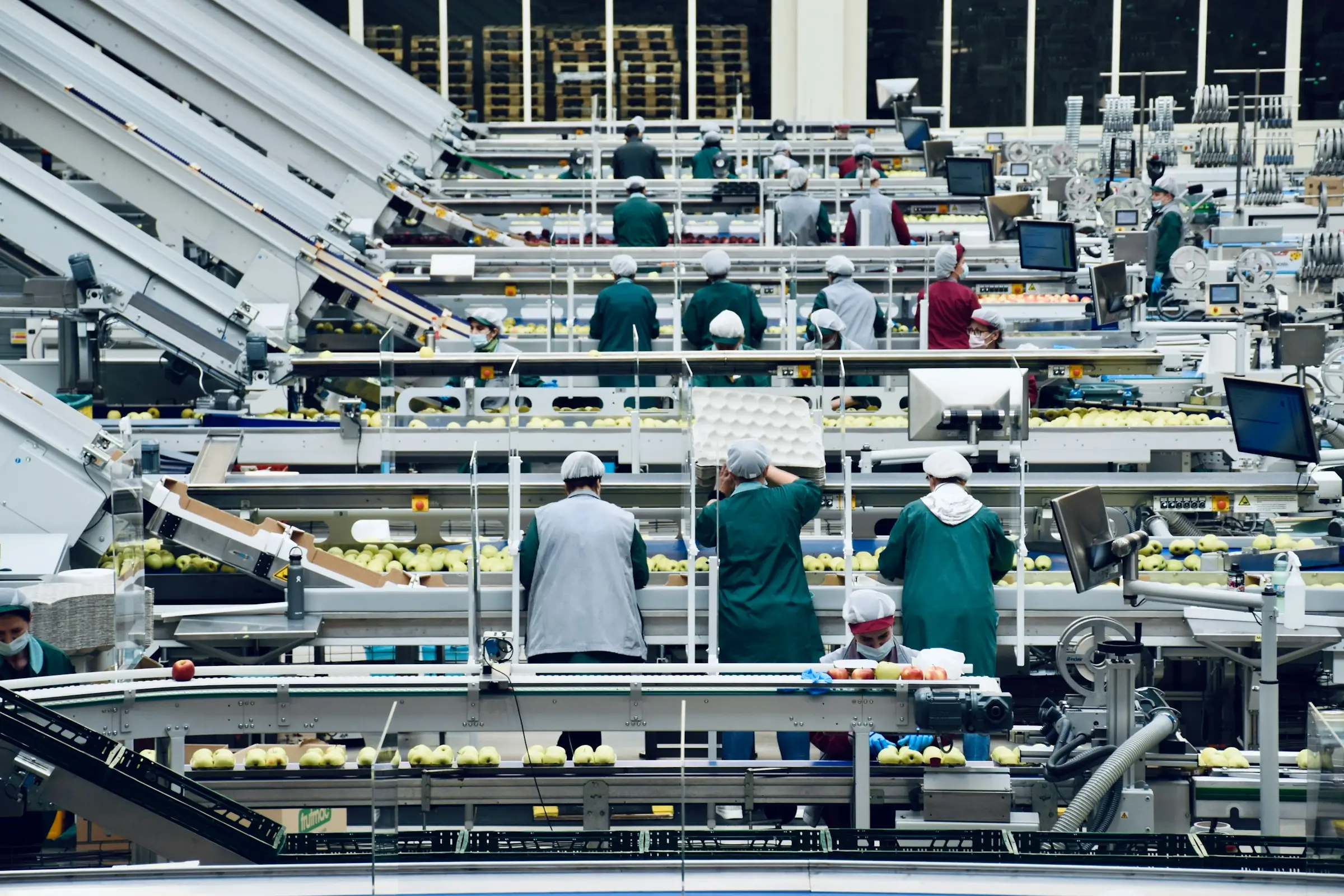
The future of manufacturing starts on your factory floor.
Discover practical opportunities to make your operations more efficient, adaptable, and ready for the next generation of automation.
Let's Talk About Your Factory